Nutrition
Collagen supplements, without the overclaiming
Collagen is the fastest-growing thing on my shelf and the one I am most careful about describing, because the marketing around it has run a long way ahead of the evidence.
What collagen supplements actually are
Collagen is a structural protein your body makes. Supplements are made by taking collagen from an animal or marine source and hydrolysing it, which breaks the long chains into much shorter peptides. That is what makes a collagen powder dissolve into coffee instead of turning into gelatin.
Once swallowed, hydrolysed collagen is digested much like other dietary protein. The open research question is whether the resulting peptides and amino acids influence the body’s own collagen production in a way that produces a noticeable result, and that is genuinely not settled.
How to check a claim rather than trust it
This is the most useful thing on this page, and it works for any supplement sold in Canada, mine included.
- Find the NPN, an eight-digit Natural Product Number, on the label.
- Look it up in Health Canada’s Licensed Natural Health Products Database, linked in the sources below.
- Read the "recommended use or purpose" field. That is the claim Health Canada actually licensed. Anything a seller says beyond it, including anything I might say, is not covered by that licence.
If a product has no NPN, it has not been licensed for sale as a natural health product in Canada. That on its own is worth knowing before you buy.
Powder or liquid
This is mostly a practical question rather than a scientific one. Powder is cheaper per serving and mixes into whatever you are already drinking. Liquid formats are pre-measured and easier to keep up with, which is not a small thing given that consistency is the part most people fail at.
If you are going to forget a scoop every second morning, the more expensive format you actually take is the better buy.
What I will and will not tell you
I will tell you what is in the tub, what it is licensed for, what it costs per serving, and what customers report. I will not tell you it will change your skin, because I do not know that and neither does anyone selling it to you with confidence.
Collagen is also protein, so if you are buying it purely as a protein source, compare it on grams per serving against the options on my protein page. It usually loses that comparison on price, and that is worth knowing before you spend.
Collagen products I carry
A powder and two liquid formats. The honest differentiator between them is format and cost per serving, so start there.
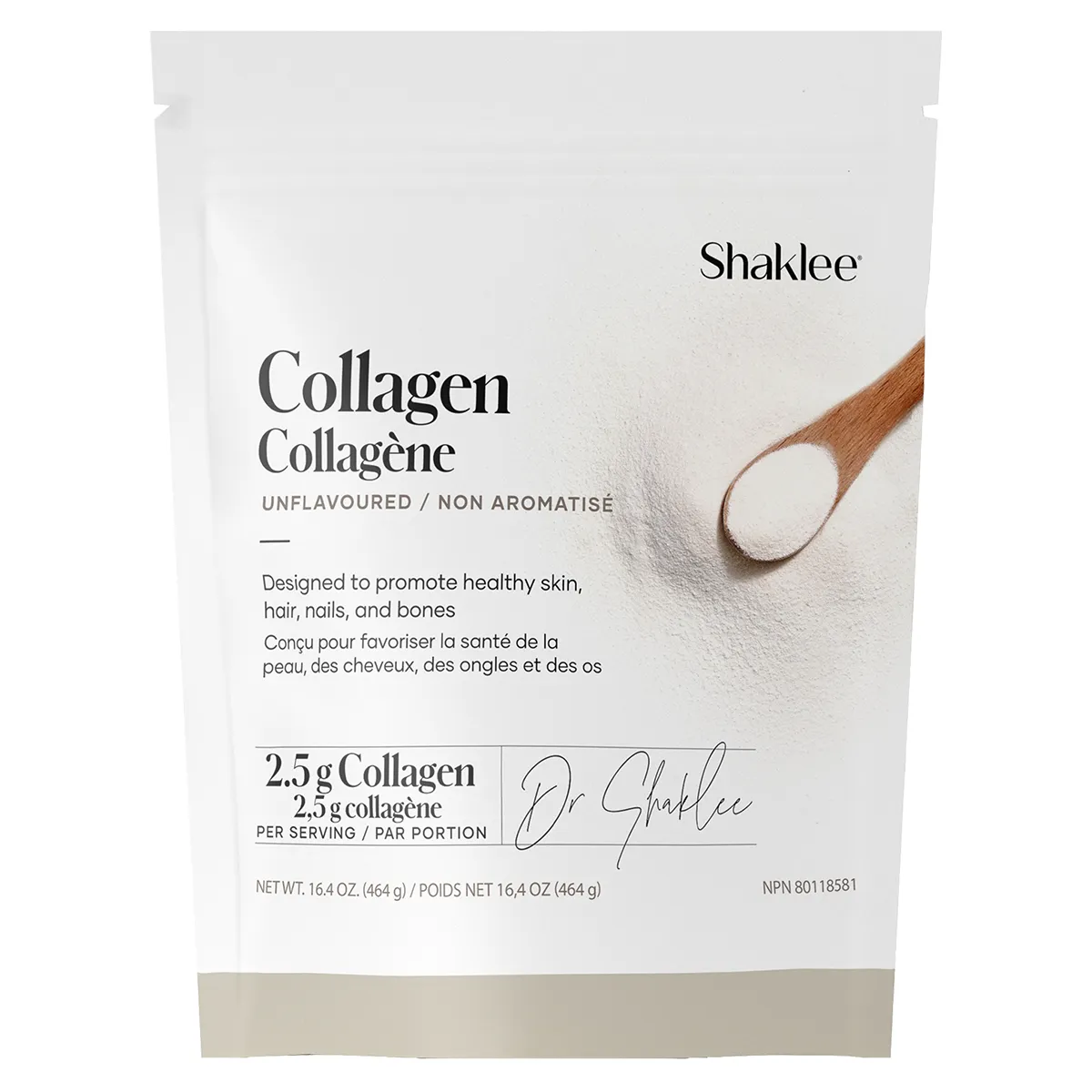
Collagen
A scoopable collagen powder you can stir into water, coffee, or a shake — sold in two sizes.
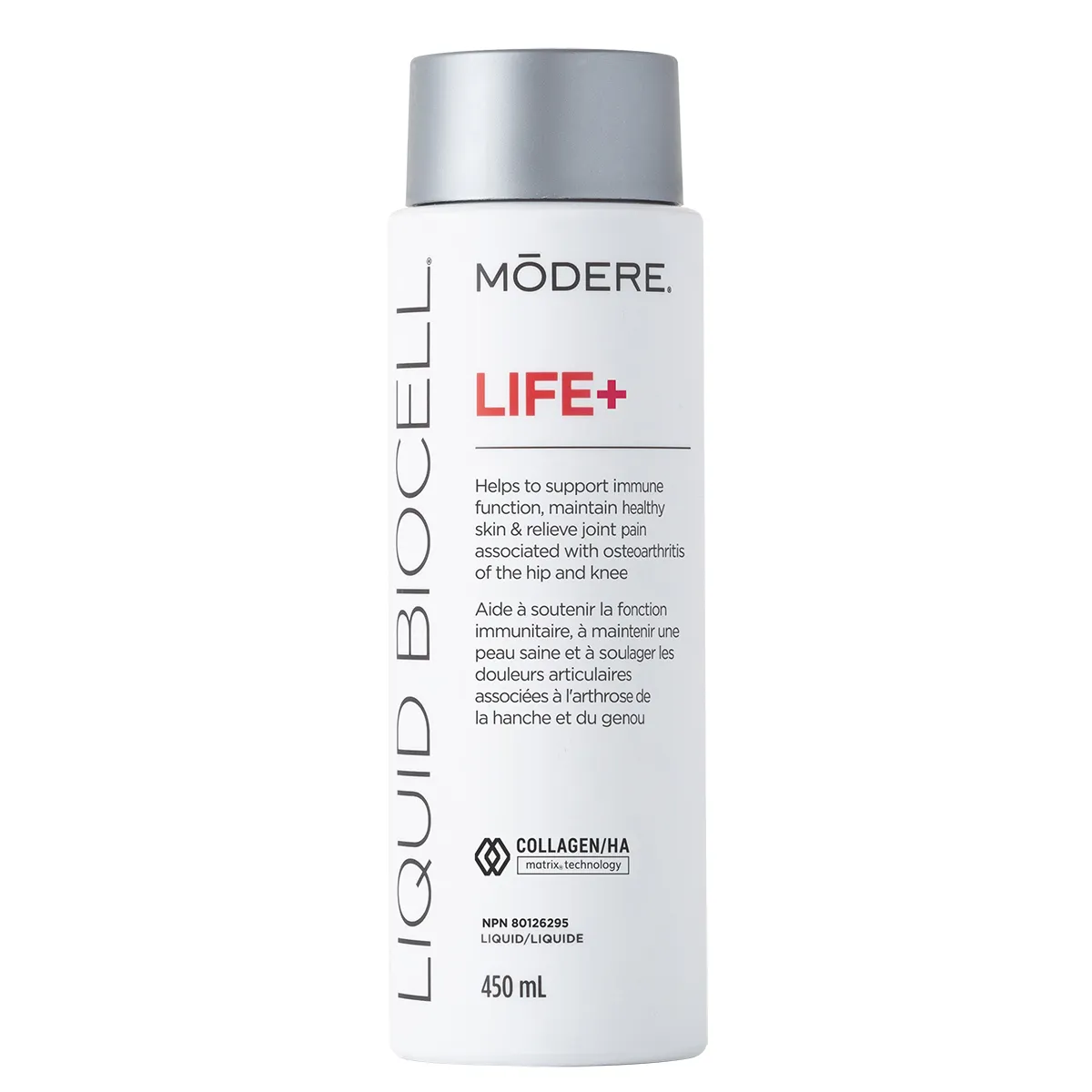
Liquid BioCell Life+
A liquid collagen drink that pairs the BioCell Collagen blend with botanicals and zinc.
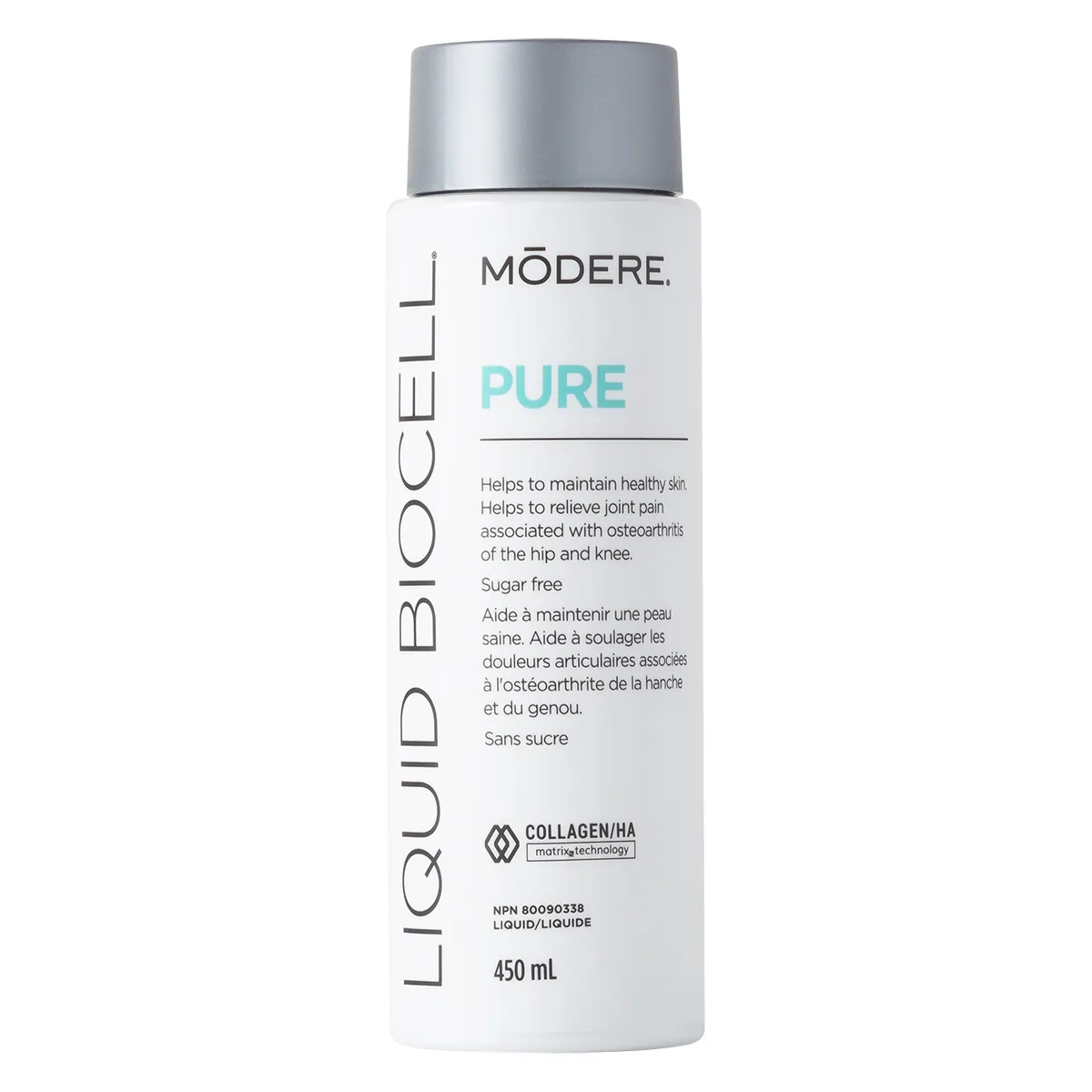
Liquid BioCell Pure
The same liquid collagen, without the added botanicals or zinc — for people who want it plain.
This page is general information, not medical advice. Talk to your healthcare provider before starting any new supplement, especially if you are pregnant, nursing, or taking medication.
Questions people actually ask
Does collagen actually work?
There is research on collagen peptides and skin and joint outcomes, some of it positive, and it is not settled. I would rather say that plainly than overstate it. Check the NPN on any collagen product in Health Canada’s Licensed Natural Health Products Database to see exactly what it is licensed to claim.
What is the difference between collagen powder and liquid collagen?
Mostly format and cost. Powder is cheaper per serving and mixes into a drink you are already having. Liquid is pre-measured and easier to stay consistent with. Since consistency is where most people fall down, the format you will actually keep using is usually the right one.
Is collagen just protein?
It is a protein, yes, and your body digests it into amino acids like other dietary protein. If protein intake is your goal, compare it on grams per serving against a protein powder, where it usually costs more for the same grams.
How do I know a supplement is approved in Canada?
Look for an NPN, an eight-digit Natural Product Number, on the label, then search it in Health Canada’s Licensed Natural Health Products Database. The record shows the claims the product is actually licensed to make. No NPN means it has not been licensed for sale as a natural health product here.
Still deciding? Ask me directly.
I would rather answer a real question than have you guess from a web page. Call, email, or send a note and you get me, not a call centre.