Burn
A capsule from Shaklee’s weight-management line, taken with meals.
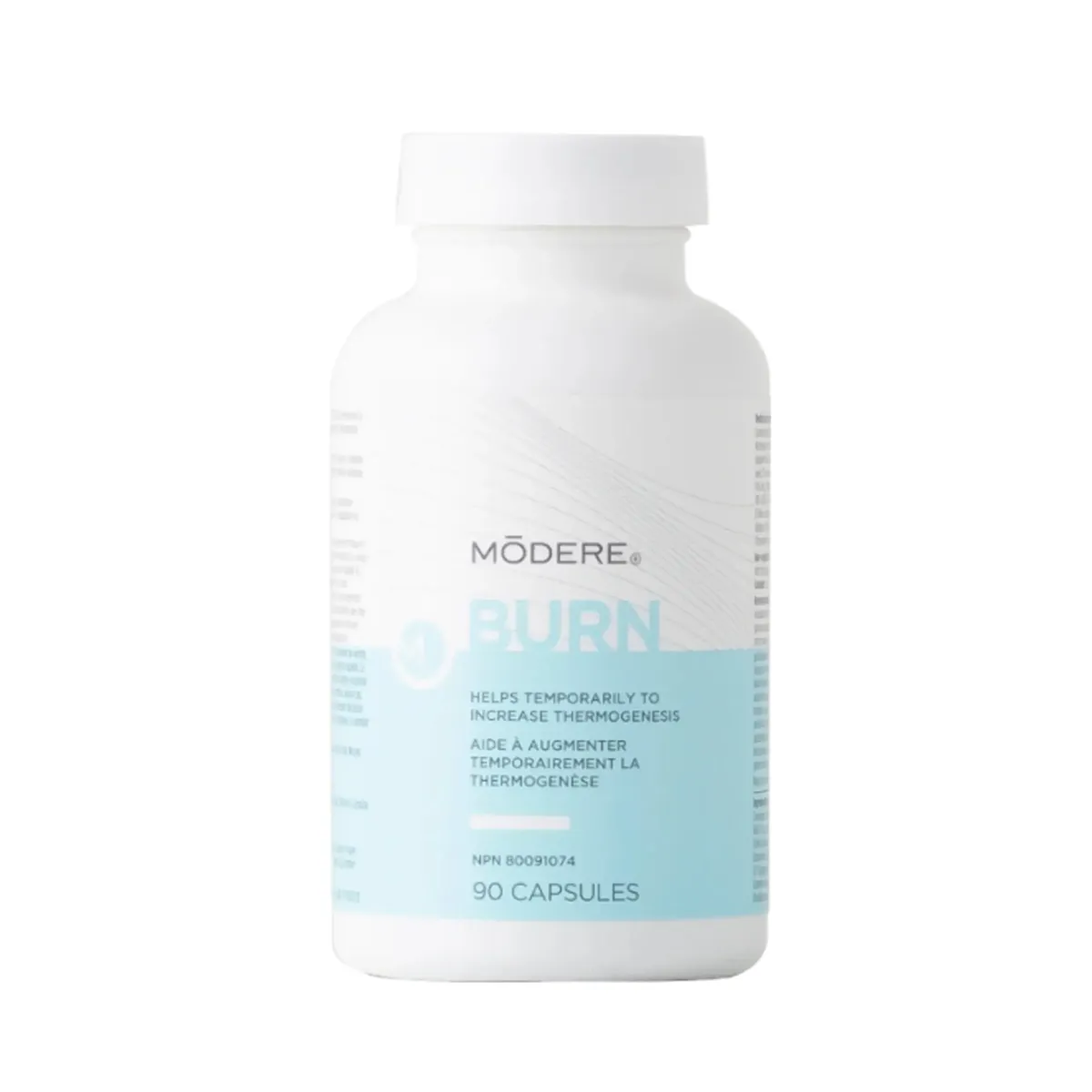
A capsule from the weight-management line. Taken with meals. Check with your doctor before adding it to a routine.
The details
- Capsule, with meals
- Part of the weight-management line
For current pricing and sizes, head to my store. You can check out securely there and I get to help you along the way.
What’s inside
The notable ingredients in this formula and what each one is.
-
Cordyceps (Ophiocordyceps sinensis stroma, 7% D-mannitol) medicinal ingredient
200 mg per capsule
An extract of the Ophiocordyceps sinensis fungus stroma, standardized to 7% D-mannitol.
-
Vitamin C (Ascorbic acid) vitamin
166.67 mg per capsule
Ascorbic acid, a water-soluble vitamin.
-
Berberine (Berberine hydrochloride, Berberis aristata root) medicinal ingredient
83.33 mg per capsule
An isoquinoline alkaloid supplied as berberine hydrochloride, sourced from Berberis aristata (Indian barberry) root.
-
Caffeine (Coffea canephora seed) stimulant
60 mg per capsule
A methylxanthine alkaloid, here sourced from Coffea canephora (robusta coffee) seed.
-
Japanese Kelp extract (Laminaria japonica whole, 10% fucoxanthin) medicinal ingredient
50 mg per capsule
A brown seaweed (Laminaria japonica) extract standardized to 10% fucoxanthin, a marine carotenoid pigment.
-
Cocoa extract (Theobroma cacao seed, 5% polyphenols) medicinal ingredient
27 mg per capsule
An extract of Theobroma cacao seed standardized to 5% polyphenols.
-
Olive extract (Olea europaea fruit, 12% polyphenols, 3.5% hydroxytyrosol) medicinal ingredient
9.45 mg per capsule
An Olea europaea (olive) fruit extract standardized to 12% polyphenols and 3.5% hydroxytyrosol.
-
Theobromine medicinal ingredient
3.33 mg per capsule
A methylxanthine alkaloid naturally found in cocoa.
-
Green tea extract (Camellia sinensis leaf, 98% polyphenols, 75% catechins, 45% EGCG) medicinal ingredient
1.67 mg per capsule
A Camellia sinensis leaf extract standardized to 98% polyphenols, 75% catechins, and 45% epigallocatechin gallate (EGCG).
-
Guarana extract (Paullinia cupana seed, 22% caffeine) medicinal ingredient
1.37 mg per capsule
A Paullinia cupana seed extract standardized to 22% caffeine.
-
Green coffee bean extract (Coffea canephora seed, 50% chlorogenic acids) medicinal ingredient
0.33 mg per capsule
An unroasted Coffea canephora seed extract standardized to 50% chlorogenic acids.
-
Ginger (Zingiber officinale rhizome) medicinal ingredient
0.33 mg per capsule
Zingiber officinale rhizome (ginger).
-
Allspice (Pimenta dioica fruit) medicinal ingredient
0.33 mg per capsule
Dried fruit of Pimenta dioica (allspice).
-
Cassia cinnamon (Cinnamomum aromaticum stem bark) medicinal ingredient
0.33 mg per capsule
Stem bark of Cinnamomum aromaticum (cassia cinnamon).
-
Chromium (Chromium (III) picolinate) mineral
80 mcg per capsule
The trace mineral chromium supplied as chromium (III) picolinate.
-
Hypromellose other ingredient
Hydroxypropyl methylcellulose, a plant-derived capsule shell and film-forming agent.
-
Microcrystalline cellulose other ingredient
A purified cellulose bulking agent and filler.
-
Silicon dioxide other ingredient
An anti-caking and flow agent.
-
Magnesium stearate other ingredient
A lubricant used in capsule and tablet manufacturing.
-
Citric acid other ingredient
A weak organic acid used as an acidulant.
-
Tapioca starch other ingredient
A starch derived from cassava root.
-
Natural flavour other ingredient
Flavouring from natural sources.
-
Maltodextrin other ingredient
A starch-derived polysaccharide used as a carrier/filler.
-
Gum arabic other ingredient
Acacia tree exudate used as a binder and stabilizer.
The research
These studies concern individual ingredients and are provided for education. They are not claims that this product diagnoses, treats, cures, or prevents any condition.
-
On Fucoxanthin (marine carotenoid from Laminaria japonica kelp)
A Systematic Review on Marine Algae-Derived Fucoxanthin: An Update of Pharmacological Insights -
On Berberine
Effects of berberine on blood glucose in patients with type 2 diabetes mellitus: a systematic literature review and a meta-analysis
More views
More in Nutrition
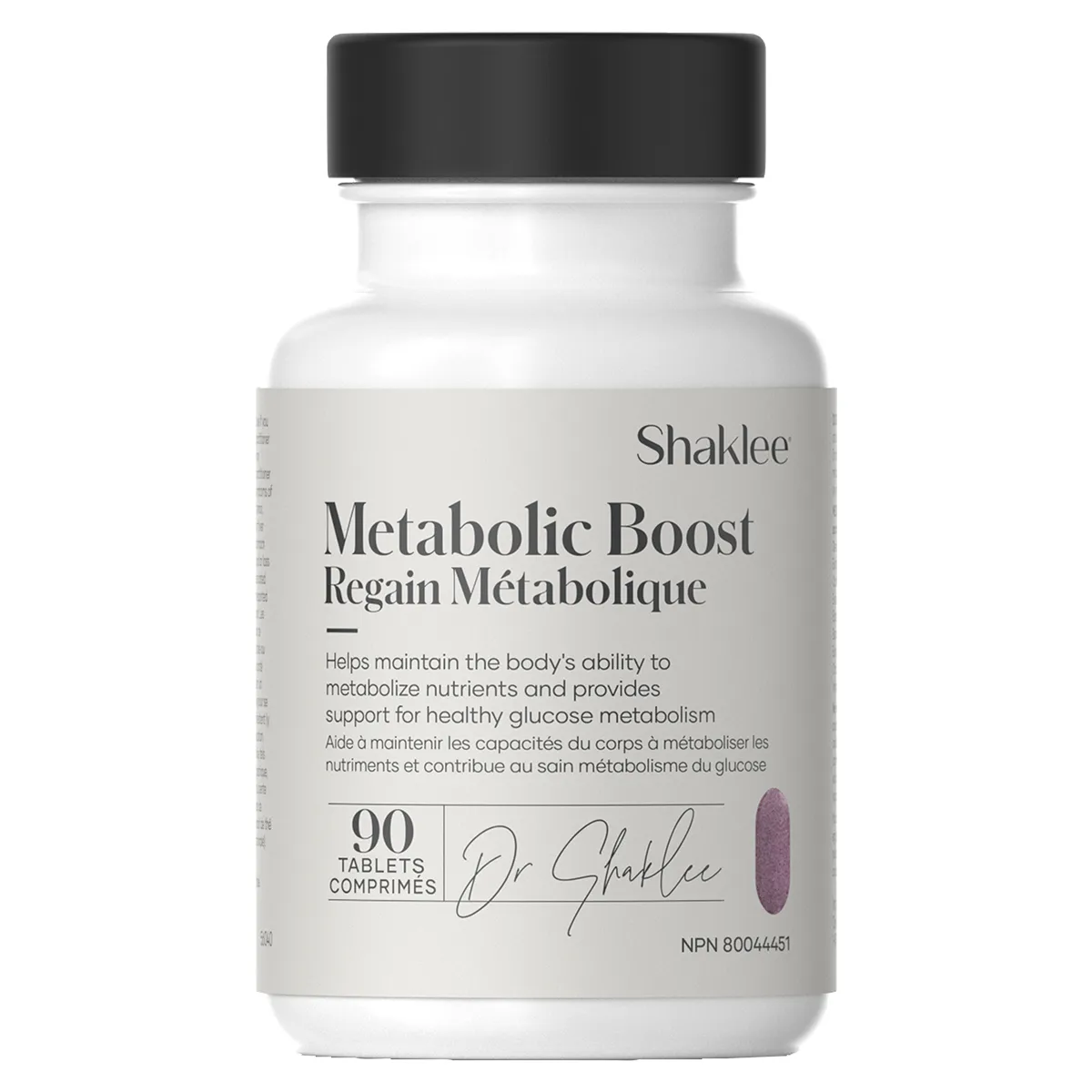
Metabolic Boost
A daily tablet from Shaklee’s blood-sugar line, with a chromium and botanical blend.
Learn more →
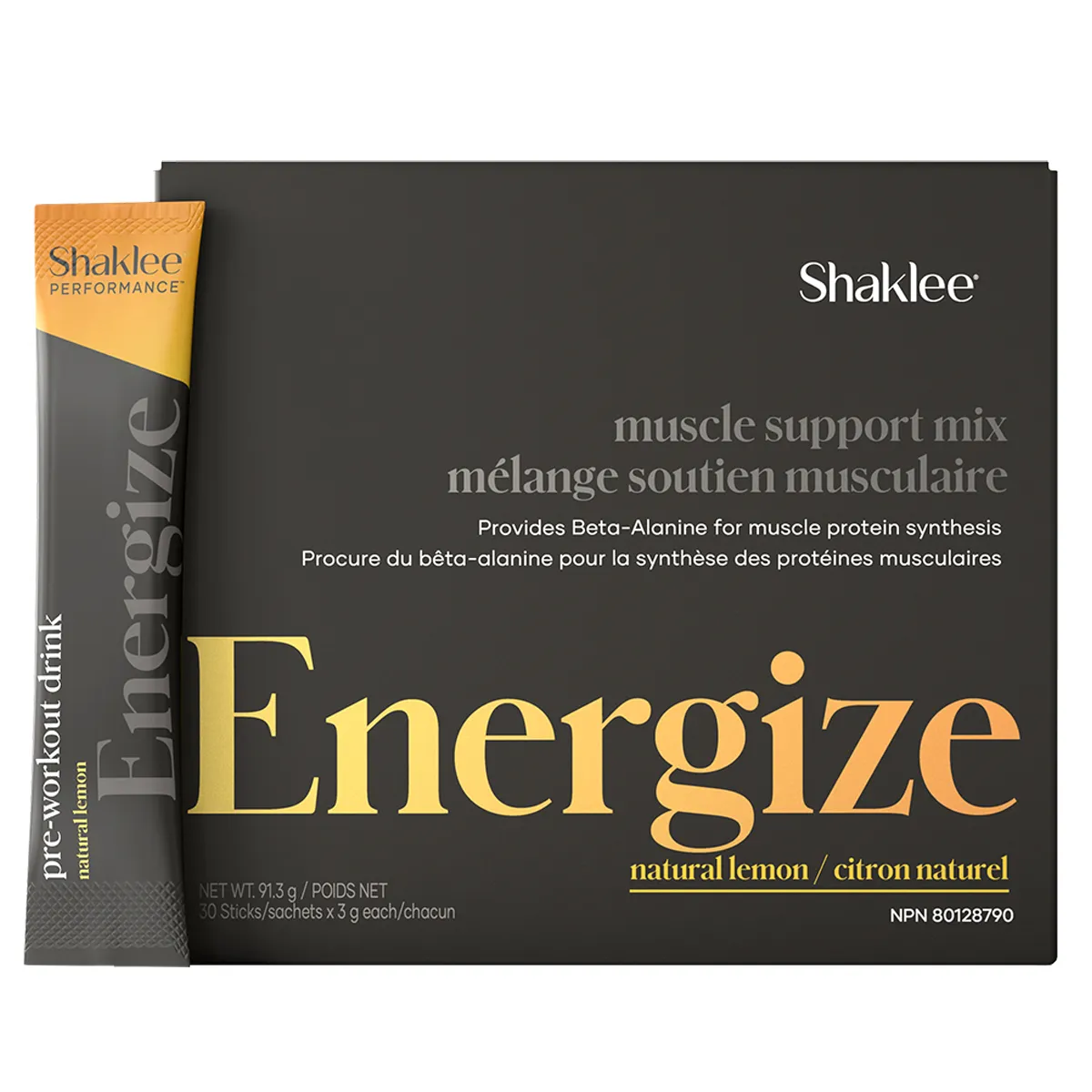
Muscle Support Mix
A powder drink mix designed for pre-workout, with a clean ingredient list.
Learn more →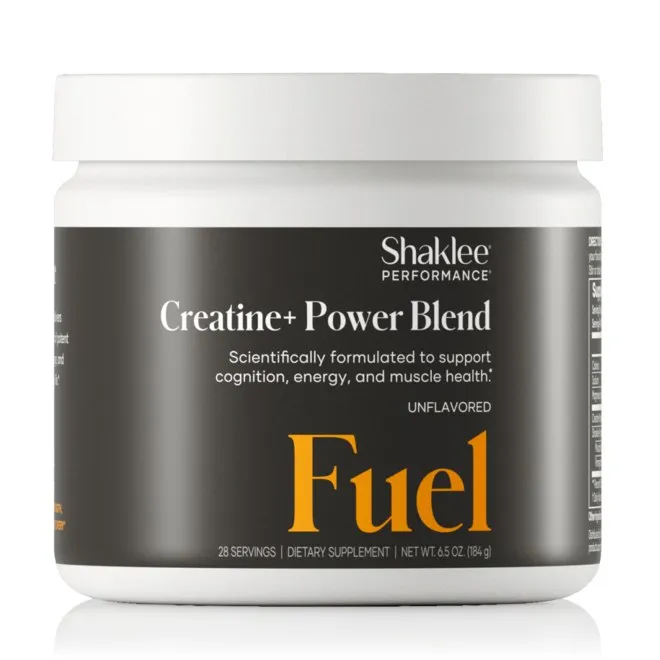
Creatine+ Power Blend
Shaklee creatine: 5 g of micronized creatine monohydrate per scoop, with magnesium and a fruit polyphenol blend. Sold in the US.
Learn more →